Choosing the Right Horizontal Booster Pump for Water Pressure Needs
Water pressure problems are common in homes, buildings, and industrial sites. Low pressure can affect daily work, slow down operations, and damage equipment over time. A Horizontal Booster Pump is one of the most reliable solutions to maintain steady water pressure. In this blog, we will explain how these pumps work, where they are used, and how to choose the right one for your needs. We will also discuss horizontal multistage booster pumps and how they help improve water flow efficiently.
What Is a Horizontal Booster Pump?
A Horizontal Booster Pump is designed to increase water pressure in systems where the existing pressure is too low. The pump is installed horizontally, which makes it easy to connect to pipelines and service when needed. These pumps are commonly used in residential buildings, commercial facilities, and industrial plants.
The main job of a booster pump is simple: it takes water at low pressure and pushes it out at a higher and steady pressure. This helps ensure that water reaches all points of use, even on higher floors or long pipe runs.
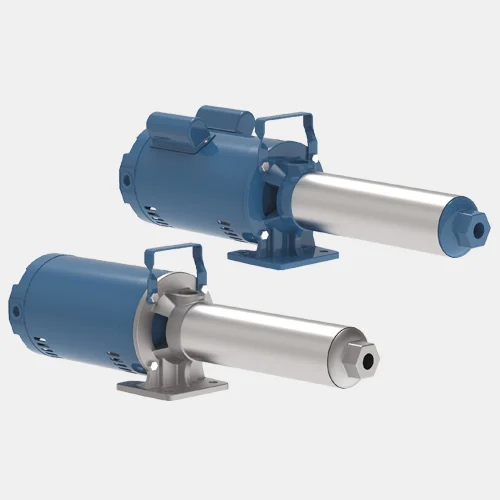
Understanding Horizontal Multistage Booster Pumps
Horizontal multistage booster pumps use more than one impeller to increase water pressure in steps. Each stage adds pressure, making the pump more effective than single-stage pumps in many applications. These pumps are known for their smooth operation, consistent output, and energy efficiency.
Because the pressure is built gradually, horizontal multistage booster pumps are ideal for systems that need constant pressure for long periods. They are often used in water supply systems, pressure boosting stations, irrigation systems, and industrial processes.
Where Are Horizontal Booster Pumps Used?
Horizontal Booster Pump systems are used in many places, including:
- Apartment buildings with multiple floors
- Hotels and hospitals
- Office buildings
- Factories and processing plants
- Water treatment systems
- Fire protection systems
In all these applications, stable water pressure is important for safety, comfort, and performance.
Key Factors to Consider When Choosing a Horizontal Booster Pump
Choosing the right pump is important. Here are some key points to keep in mind:
1. Required Pressure and Flow Rate
You need to know how much pressure and water flow your system needs. This depends on building height, number of outlets, and usage demand.
2. Pump Type
For higher pressure needs, horizontal multistage booster pumps are usually the better choice. For simple systems, a single-stage booster pump may be enough.
3. Energy Efficiency
A good pump should deliver strong performance without wasting energy. Efficient pumps help lower operating costs over time.
4. Installation Space
Horizontal pumps require enough floor space. Make sure your installation area can support the pump size and layout.
5. Maintenance and Durability
Choose a pump that is easy to maintain and built with strong materials. This reduces downtime and repair costs.
Benefits of Horizontal Multistage Booster Pumps
Horizontal multistage booster pumps offer several advantages:
- Steady water pressure
- Quiet operation
- Long service life
- Better efficiency for high-pressure systems
- Smooth water flow with less vibration
These benefits make them a popular choice for both commercial and industrial applications.
Final Thoughts
Choosing the right Horizontal Booster Pump is essential for maintaining stable water pressure in any system. By understanding your pressure needs, selecting the right pump type, and working with a trusted supplier, you can ensure reliable water flow for years to come.
Horizontal multistage booster pumps are a strong choice for systems that need consistent pressure and efficient operation. When sourced from a reliable manufacturer like Northam Inc., these pumps offer dependable performance, long service life, and easy maintenance.
With proper planning, correct installation, and quality equipment from Northam Inc., water pressure problems can be solved in a simple and effective way.


Comments
Post a Comment